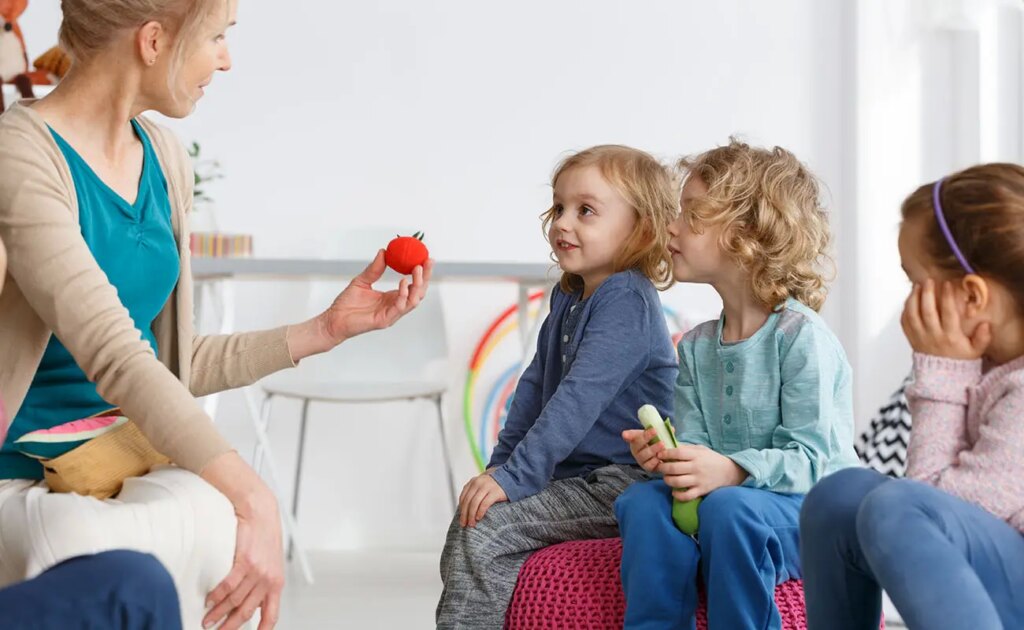

- I Spy with My Little Eye” – This game helps children learn to identify and name different emotions, as well as practice empathy and understanding of others’ feelings.
- “Mirror Game” – This game encourages children to imitate each other’s actions and learn to pay attention to and respect others’ personal space.
- “The Feelings Game” – This game helps children learn to identify and express their own emotions, as well as understand and respond to the emotions of others.
- “The Kindness Game” – This game encourages children to think of ways to be kind and helpful to others, promoting pro-social behavior.
- “The Sharing Game” – This game helps children learn to share and take turns, promoting cooperation and understanding of the importance of fairness.
“I Spy with My Little Eye” – This game helps children learn to identify and name different emotions, as well as practice empathy and understanding of others’ feelings.
Exactly, “I Spy with My Little Eye” is a game that helps children learn to identify and name different emotions, as well as practice empathy and understanding of others’ feelings. The game is played by one person saying “I spy with my little eye, something that is (color/shape)”. For example, “I spy with my little eye, something that is round and blue”. Then, the other players have to guess what the object is by asking questions or making guesses. This game helps children learn to pay attention to their surroundings, as well as improve their communication and problem-solving skills. Additionally, it can also help them understand the perspective of others and develop empathy.
“Mirror Game” is a game that encourages children to imitate each other’s actions and learn to pay attention to and respect others’ personal space. The game is played by having two children stand facing each other and one child starts by making a simple movement, such as raising a hand or tilting their head. The other child then copies the movement. The children take turns leading and following, and the game encourages children to pay attention to each other and to be aware of their own and others’ personal space. This game can help children develop social skills, such as cooperation, communication, and awareness of personal boundaries. It can also promote self-awareness and body awareness.
“The Feelings Game” – This game helps children learn to identify and express their own emotions, as well as understand and respond to the emotions of others.
Yes, “The Feelings Game” is a game that helps children learn to identify and express their own emotions, as well as understand and respond to the emotions of others. The game can be played in different ways, but one way to play is to have children take turns acting out different emotions (e.g. happy, sad, angry, etc.) while the others try to guess what emotion they are acting out. Another way to play is to have children draw or describe a situation that makes them feel a certain emotion and then discuss how they can respond to those
“Mirror Game” – This game encourages children to imitate each other’s actions and learn to pay attention to and respect others’ personal space.emotions. This game can help children learn to identify and label their emotions, understand the emotions of others, and practice empathy. It also help children to develop their emotional regulation and problem solving skills.
It's always better to start them on easier books, because then they feel successful, and that spurs them on, so they'll read more.
John Doe Tweet
Recent Posts
- At Pramila Future Star School, We all came together to celebrate Rakhi
- Nurturing Your Child’s Development: A Guide for Parents of Children Aged 2-6
- Independence Day Celebration
- What can tracks teach kids? Preschool science activities are a big deal
- New parents share their middle of the night google searches
They will also write short, simple sentences such as “The cat ran home.” Keep a special box or bin at home filled with writing materials (crayons, pencils, markers, paper, and notepads) so your child can practice writing simple sentences about special things he’s done or seen during the day. Ask about what he’s written, and have him read it aloud. Offer encouragement by displaying his writings on the refrigerator or on her bedroom wall.
Help your child understand the concept of time by saying what time it is during routine activities. Use and explain words like morning, noon, night, yesterday, today, and tomorrow. Make a timeline together showing a typical day, with drawings of regular events and the time of day written beneath each one.